
Septic System Installation Cost in Tyler, Texas
Understanding septic system installation cost starts with the conditions on your land, not a one-size-fits-all price. A clear estimate helps you compare options, plan the project, and avoid surprises tied to soil, access, or system design.
About This Service
Septic system installation cost is best understood as a site-specific investment rather than a single flat number. The total can include the selected system, tank capacity, drain-field design, excavation, site access, soil conditions, and project requirements. In Tyler, two properties only a few miles apart can need very different solutions because the ground, slope, available space, and intended building use are not the same. A useful estimate explains what is included and why each part of the project matters.
People often start researching cost when they are building on undeveloped land, replacing a failed system, selling a property, or budgeting for a major renovation. It is also wise to ask early if you are considering a home outside central utility service near Flint, Gresham, or the Lake Palestine side of town. Waiting until building plans are finalized can limit system placement and create avoidable changes. Early planning gives you more control over the layout, access route, and overall budget.
Our estimating process begins with the property, not a generic price sheet. We discuss the structure, expected occupancy, water use, site conditions, and whether this is a new installation or replacement. We then review the likely system approach and explain cost drivers in plain language, including excavation needs and the effect of limited equipment access. A wooded parcel off Old Jacksonville Highway may require a different work plan than an open lot near Grande Boulevard.
Cost can change when a site needs an aerobic design, additional treatment components, longer pipe runs, difficult excavation, or a more complex drain-field configuration. Approval requirements and soil evaluation findings can also affect the final plan. The most dependable way to budget is to separate essential system components from optional site work and ask questions before construction starts. That approach gives you a clearer picture of where your money goes and helps prevent assumptions from becoming last-minute expenses.
Since 2005, Rose City Septic Co. has helped clients make informed decisions without confusing jargon or pressure. We focus on practical recommendations that fit the property and explain the tradeoffs between available options. You deserve an estimate that accounts for the actual site, not an unrealistically low starting figure that leaves important work unaddressed. Our local know-how is especially valuable when access, drainage, or lot layout creates a planning challenge.
When you are comparing septic system installation cost in Tyler, bring your property details and building plans to the conversation. A thorough review now can help you avoid redesigns after driveways, pools, fences, or landscaping are already planned. Contact us to discuss your site and receive straightforward guidance for building a realistic septic budget.
Septic Installation Cost in Tyler: What Actually Sets the Number
Septic quotes in East Texas vary far more than people expect, and the variation is not markup. It is the ground. The same three-bedroom house priced on two properties four miles apart in Smith County can carry very different numbers because the soil boring says different things.
Soil is the first driver. Where the profile is sandy loam over a clay-rich subsoil with moderately slow permeability — the Bowie and Kirvin ground that covers most of the county — a conventional gravity drain field needs a large absorption area, and often the lot cannot provide it. That pushes the design to an aerobic treatment unit with spray disposal, which costs more up front and carries an ongoing maintenance obligation.
Usable area is the second. Setbacks from property lines, the well, structures and any surface water come off the top, and what remains is what the system has to fit into. On lakefront lots near Flint and on tight subdivision lots around Whitehouse, the setbacks routinely decide the system type by themselves.
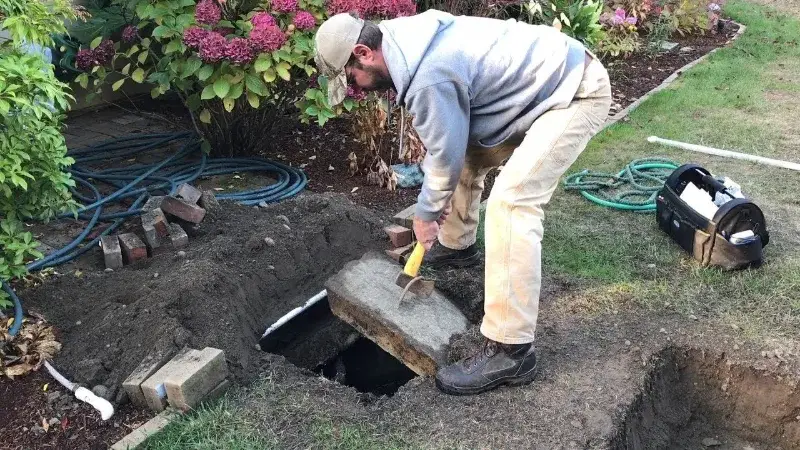
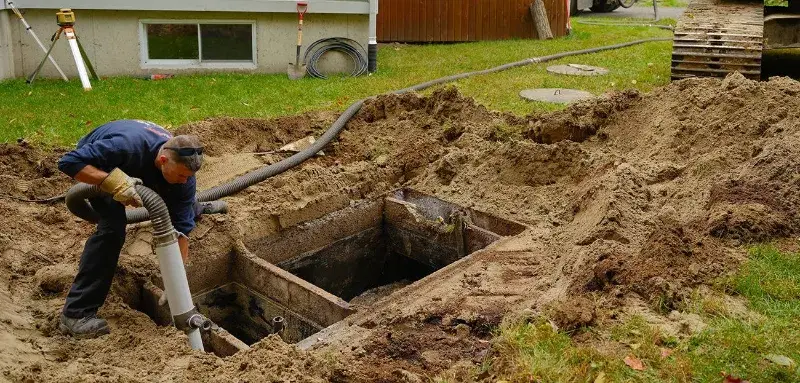
Then the fixed items: the site evaluation by a registered sanitarian or professional engineer, county permit review, tank and equipment, excavation, and the final inspection. Excavation is where surprises live — rock, buried debris, old systems, and around Kilgore, oil field infrastructure.
Household size drives capacity. Sizing follows bedroom count and real water use, not square footage. Finally, access: if a machine cannot reach the disposal area without going around the house, that shows up in the number.
Usable area is the second driver. Setbacks from property lines, the well, structures and any surface water come off the top, and what remains is what the system has to fit into. On lakefront lots near Flint and on tight subdivision lots around Whitehouse, the setbacks frequently decide the system type by themselves.
Then the fixed items: the site evaluation by a registered sanitarian or professional engineer, county permit review, tank and equipment, excavation, and the final inspection. Excavation is where surprises live — rock, buried debris, old systems, and around Kilgore, oil field infrastructure. Any septic installation cost quote that goes silent on what happens if the dig finds one of those is a quote with a hole in it.
Cost Questions Worth Asking Before You Sign
Ask whether the quote includes the site evaluation and the county permit, or whether those are billed separately. Ask whether it includes the final inspection. Ask, if the system is aerobic, what the maintenance contract costs annually, because Texas requires an aerobic unit to be under contract with a licensed maintenance provider with reports filed at least every four months, and that is a permanent line item rather than a one-off.
Ask what happens if the excavation hits rock or an unrecorded old system. A quote that goes silent on that is a quote with a hole in it.
Ask whether the design is based on an actual boring log for your property or on what the installer put in the last house down the road. This is the question that separates a system that lasts thirty years from one that surfaces in its second wet spring.
And be careful with a quote that comes in far under everything else. In Smith County the usual reason is an undersized absorption area, which is invisible at handover and expensive later. Under 30 TAC 285.3 a single-family home on ten acres or more may be exempt from permitting, and that exemption is sometimes used to justify a cheap unengineered system. It removes the paperwork, not the physics.
Rose City Septic Co. quotes after the ground has been looked at. Call and we will schedule the evaluation, and the number that follows is a number you can hold us to.
How the Job Actually Runs, Step by Step
No surprises is mostly a matter of telling you the order things happen in before they happen. This is how a job runs from your first call to the day it is signed off.
- You call, we talk about the propertyAcreage, bedroom count, whether there is a well, and what is already in the ground. Five minutes on the phone rules out half the wrong answers.
- Site evaluation and soil boringA registered sanitarian or professional engineer digs test holes and logs the profile. This is the step that decides your system type, and nothing before it is a real number.
- Design and planning materialsThe system is sized to the boring and the usable area left after every setback, then drawn up as planning materials for the county.
- County review and permit to constructSubmitted to whichever county your parcel sits in. Nobody breaks ground until the permit is issued.
- Installation, scheduled around the weatherEast Texas clay does not install well saturated. We plan the dig around the forecast rather than setting a tank in a muddy hole.
- County final inspectionThe authorized agent inspects before the system is covered and placed in service. That inspection is what puts a documented system on the county record.
- HandoverYou get the paperwork, the as-built location of the lids, and — on an aerobic system — the maintenance contract set up before we leave.
Why Rose City Septic Co.
- Working East Texas since 2005Two decades on Smith County ground. The soil behaviour described on this page is not research, it is what we dig through.
- We run the county process weeklySite evaluation, planning materials, permit to construct, final inspection. An installer who files these constantly moves them faster than one who does not.
- Diagnosis before the quote, every timeWe do not price a system or a repair over the phone. The boring log or the open tank decides the number, and we would rather lose the job than guess at it.
- Licensed for aerobic maintenance reportingTexas requires aerobic units to be under contract with a licensed maintenance provider filing reports at least every four months. We can hold that contract rather than leaving you to find someone who can.
- County-inspected, on the recordWork that alters a system gets permitted and inspected, so what you own is documented. That matters at resale far more than it does on the day.
- Local for realTyler, Whitehouse, Bullard, Flint, Lindale, Chandler, Jacksonville and Kilgore are the roads we work daily — not a service radius drawn on a map from another city.
Permit and Inspection Costs, and Why Design Drives the Number
Part of what you pay for a new septic system is regulatory rather than physical. On-site sewage facilities in Texas are permitted under 30 TAC Chapter 285, with Smith County Environmental Health handling site evaluations, planning reviews, the permit to construct and the final inspection. Those fees are set by the county, they change from time to time, and they are a modest slice of the total, but they are unavoidable and any quote that omits them is not a complete quote.
The bigger cost driver is what the permitting process discovers. The soil profile from the site evaluation determines the system type and the size of the disposal area, and that single result can move a project from a conventional gravity field to an aerobic system with surface application, which is a materially different price. Setbacks from wells, property lines, foundations and surface water can shrink the usable area and force a more compact and more expensive design on the same acreage.
This is exactly why we do not price a system over the phone. Anyone who gives you a firm installed number before a soil evaluation is either padding it heavily to cover the worst case or setting up a change order later.
A tract of ten acres or more with a single family home may fall under the 285.3 exemption, which changes the permitting picture, though the drainage and setback requirements still stand and the design still has to work.
How Season and Soil Move the Price
Two identical houses in Smith County can get quotes that differ by thousands, and the reason is usually under the ground rather than in the contractor's margin. Where the sandy loam over the Bowie, Kirvin or Sacul clays is deep enough and drains well enough, a conventional gravity drain field works and sits at the lower end of the range. Where the clay comes up shallow, or the site evaluation records a seasonal high water table from the perched water that forms above it, the county will not permit a conventional field and the design moves to an aerobic system with surface application, which costs substantially more to install and carries an ongoing maintenance contract on top.
That is a soil result, not a sales decision, and it is why the soil evaluation has to come before the number.
Season affects the build cost too. Excavating and setting a tank in saturated clay through the winter months is slower, harder on equipment and rougher on your yard, and restoring the ground afterwards costs more. A job scheduled between late spring and early autumn usually digs cleaner and finishes faster.
Site conditions do the rest. Distance from the house, slope, tree removal, rock, tight setbacks on a small lot and access for a truck all move the figure, and none of them can be assessed from a phone call.
FAQs About Our Services
Frequently Asked Questions
These answers address common septic questions from Tyler-area customers. Every property is different, so a direct conversation is the best way to apply this information to your system.
What affects septic system installation cost in Tyler?
The largest cost factors are usually system type, soil conditions, tank size, drain-field requirements, excavation, and equipment access. A level open lot may need less preparation than a wooded or sloped parcel. Aerobic systems and sites with limited usable space can require additional components. The most accurate estimate comes after reviewing the property and the intended use of the building.
Can I get a septic installation price before a site evaluation?
You can receive general planning guidance before a site evaluation, but a firm project figure requires property-specific information. Soil findings, available placement area, utility locations, and access can all change the design and cost. A preliminary conversation is still useful for setting a realistic budget range. It also helps identify questions to resolve before finalizing construction plans.
Why might a replacement septic system cost differently than a new one?
Replacement work may involve removing or working around existing components, mature landscaping, driveways, fences, and limited access. The original system location may no longer be the best place for a new design. Existing drainage issues or a changed household use can also affect the plan. Reviewing the full property allows the replacement to be designed around current conditions instead of old assumptions.
How can I prepare financially for a septic installation project?
Start the conversation before committing to final home placement, driveways, or outdoor features. Share building plans, the expected number of bedrooms, and any known property information so the system can be planned accurately. Ask for a clear explanation of included work and potential site-dependent variables. Keeping a contingency for unforeseen ground conditions is also a sensible part of project planning.
What is the average septic system installation cost in Tyler, TX?
There is no useful average, because the soil boring sets the number. A property with depth of suitable soil and room for a conventional gravity field prices very differently from one where the clay subsoil forces an aerobic unit with spray disposal. We give you a real figure after the site evaluation, and it is one you can hold us to.
Is septic tank installation cost the same as the whole system cost?
No, and this is where quotes get misleading. The tank is one line item; the disposal area, the site evaluation, the county permit and the final inspection are the rest. A quote that prices only the tank will look cheaper and will not be. Ask whether the evaluation, permit and inspection are included.
Why is one septic installation quote much cheaper than the others?
In Smith County the usual reason is an undersized absorption area, which is invisible at handover and expensive later. Under 30 TAC 285.3 a single-family home on ten acres or more can be exempt from permitting, and that exemption is sometimes used to justify a cheap unengineered system. It removes the paperwork, not the physics.
Does the septic installation cost include the county permit and inspection?
Ours does, and you should confirm the same with anyone you compare against. Ask specifically whether the site evaluation by a registered sanitarian or engineer, the Smith County permit review, and the final inspection before the system goes into service are all in the number, and what happens if excavation hits rock or an unrecorded old system.
Get Clear Septic Answers Today
Talk with a local team that has served Tyler since 2005. Tell us about your property, and we will help you understand the right next step with a free estimate.
(903) 857-7325Or fill out the form — we'll be in touch shortly.